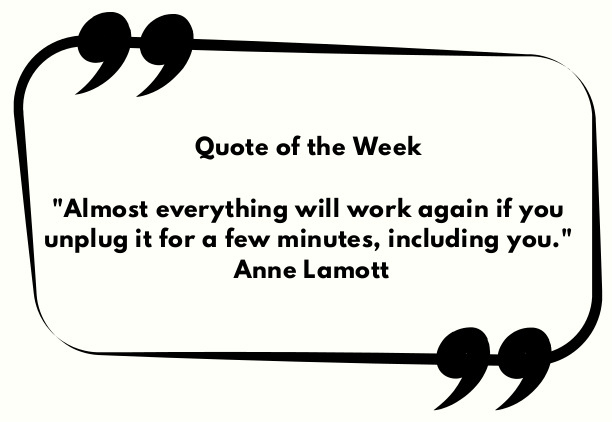
In a world where ‘busy’ is often equated with ‘successful’, it’s important to address a growing concern in our work culture: overworking. There are times when putting in extra hours and effort is necessary if it’s for a short-term and specific goal. But if this habit becomes ingrained into our lives, then the consequences can be serious.
The Dangers of Overworking
Overworking doesn’t just lead to tiredness; it can have serious implications for our physical and mental health. These include:
Health Risks: Increased risk of heart disease, hypertension, weakened immune system, and chronic conditions like diabetes.
Mental Health Strain: Heightened risk of stress, burnout, anxiety, and depression.
Impaired Relationships: Less time and energy for family, friends, and personal interests can strain relationships.
Decreased Productivity: Ironically, overworking can lead to decreased efficiency and productivity over time.
Recognising the Signs of Overworking
Constant Fatigue: Feeling perpetually tired, regardless of rest.
Work-Life Imbalance: Spending most of your time working, with little time for personal life.
Persistent Stress: Feeling stressed and anxious even when not working.
Neglecting Personal Health: Skipping meals, exercise, and sleep due to work.
Be the Example of Balance
Strategies to Avoid Overworking
Set Clear Boundaries: Define clear work hours and stick to them. Avoid the temptation to check work emails or messages outside of these hours.
Prioritise Tasks: Focus on the most important tasks and learn to delegate or say no to lower-priority tasks.
Take Regular Breaks: Short breaks throughout the day can help maintain focus and reduce stress.
Schedule Downtime: Make sure to schedule time for relaxation, hobbies, and spending time with loved ones.
Stay Physically Active: Regular exercise can alleviate stress and improve overall well-being.
Seek Support: If you’re struggling to manage your workload, talk to your manager or HR for support. You may think nothing can be done, but you might be surprised and if you say nothing, then it’s guaranteed that nothing will change.
CELEBRATING OVERWORKING
Sometimes we see overworking being celebrated, as if someone with a poor work-life balance is somehow better than someone with healthy boundaries. We need to learn to celebrate balance and consistent results, not unhealthy habits. Employees shouldn’t be expected to take work calls, answer emails or ‘jump on quick’ in their personal time.