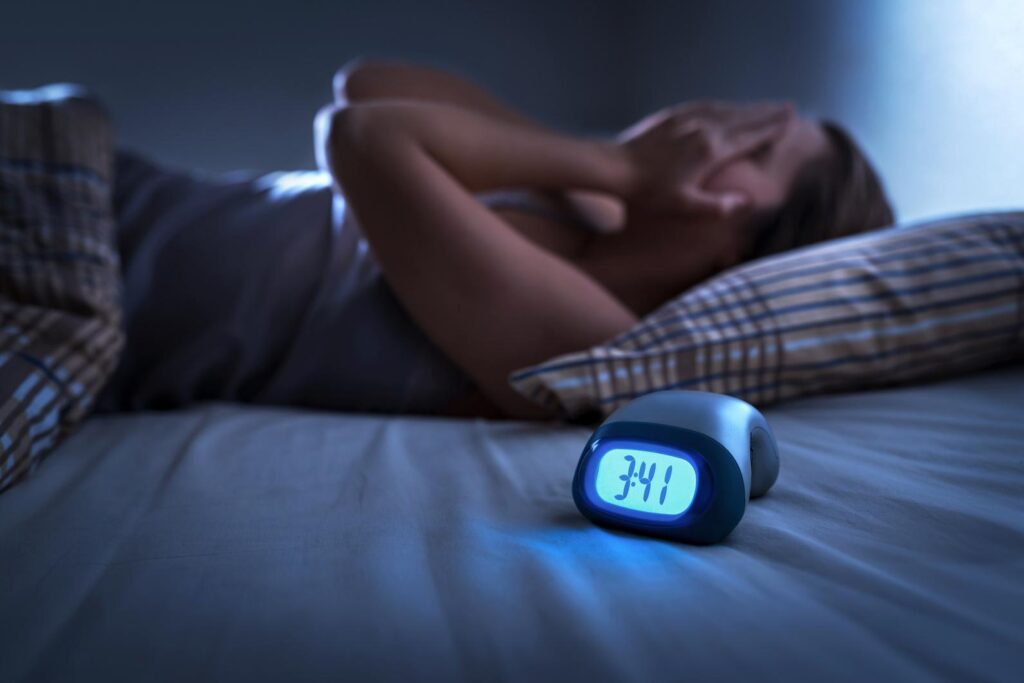
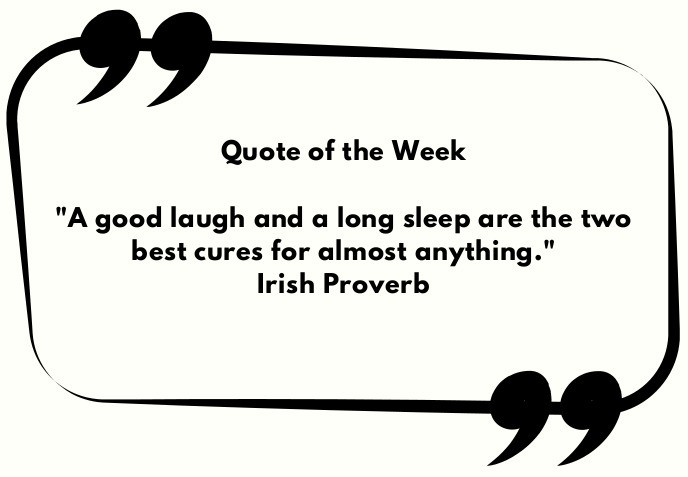
As our lives get busier and more pressured, a good night’s sleep is often the first thing we sacrifice. It’s normal that we have the occasional bad night; as frustrating as it is, it usually doesn’t have much impact. But sleep is more than just a rest period; it’s a vital ingredient for our physical and mental well-being, and if our sleep suffers for a while it can start to have more serious consequences. Let’s dive into the benefits of quality sleep and discover how to enhance our slumber.
The Benefits of Quality Sleep
Boosts Physical Health: Sleep plays a critical role in healing and repairing your heart and blood vessels. It’s essential in maintaining a healthy balance of hormones and supports a healthy immune system.
Enhances Mental Function: A well-rested brain is more alert and able to concentrate, make decisions, and learn new things more efficiently.
Emotional Well-being: Good sleep helps regulate mood and is linked to lower rates of depression and anxiety.
Weight Management: Sleep affects the hormones that control hunger. People who sleep less tend to feel hungrier and may have a harder time maintaining a healthy weight.
Small changed, big impact
8 Tips for a Better Night's Sleep
Stick to a Sleep Schedule: Consistency is key. Try to go to bed and wake up at the same time every day, even on weekends.
Create a Restful Environment: Make your bedroom a tranquil space. Consider room-darkening shades, earplugs, or a white noise machine if needed.
Pay Attention to What You Eat and Drink: Avoid heavy or large meals, caffeine, and alcohol before bedtime.
Include Physical Activity in Your Routine: Regular physical activity can promote better sleep. However, avoid being overly active close to bedtime.
Blue light glasses are your friend: Blue light glasses prevent the blue light from electronic devices from tricking your brain into thinking it’s daytime. They’re cheap and readily available.
Establish a Pre-Sleep Routine: Activities like reading a book, taking a warm bath, or meditation can signal to your body that it’s time to wind down.
EVERYONE IS DIFFERENT
The amount of sleep we need, the time of day we’re most effective and what helps us get a good night varies from person to person. Try different ideas and approaches until you find what works for you.