Introduction
The New Year is traditionally a time for reflection, hope, and the motivation to create positive change in our lives. Many of us in the UK embrace the practice of setting New Year’s resolutions to improve wellbeing — whether by adopting healthier habits, improving mental health, or fostering stronger social connections.
However, it’s important to approach these goals with kindness, realism, and inclusivity in mind, especially when considering the diverse experiences of people across the UK. For those who are neurodivergent, LGBTQ+, living with disabilities, or managing intersecting identities including race, gender, and faith, typical “one-size-fits-all” approaches to resolutions can unintentionally create pressure or feelings of exclusion.
In this post, we explore how to set wellbeing goals for 2026 that are achievable and affirming for everyone, amplified by practical steps, UK-specific resources, and mindful encouragement to help you start your year with confidence and care.
The Importance of Realistic and Compassionate Goal-Setting
In the UK, surveys show that over 60% of people make New Year’s resolutions, but by February, many struggle to maintain them, leading to feelings of guilt or frustration. This is particularly true for people who live with chronic health conditions, mental health challenges, or neurodivergence—where fluctuating energy levels, sensory processing needs, or social anxieties affect daily life rhythm. Similarly, LGBTQ+ individuals might face additional stressors, such as minority stress or discrimination, influencing their capacity to adhere to wellness goals.
Rather than chasing perfection, consider the following principles:
- Start Small and Specific: A vague goal like “be healthier” can be overwhelming. Instead, choose something specific and manageable, like “go for a 10-minute walk three days per week” or “practice one calming breathing exercise daily.”
- Flexible and Forgiving Approach: Life in the UK can be unpredictable — from weather to work demands. Accept that goals might need adjusting and allow space for rest without judgment.
- Intersectional Awareness: Recognise how your various identities might affect your wellbeing needs. For example, a disabled Black queer woman may face systemic barriers that affect how she can engage with fitness or mental health activities, and her goals should reflect and respect that reality.
Harnessing UK Resources to Support Your Wellbeing Goals
Thankfully, the UK offers a broad spectrum of charities and organisations that provide tailored support for diverse communities. Here are some essential ones you can consider connecting with in 2026:
- Mind UK: This leading mental health charity provides excellent resources on goal-setting, managing stress, and accessing local support networks.
- Ambitious About Autism: Supporting autistic children and adults to achieve their potential, they offer guidance and community for neurodivergent people.
- Stonewall: Stonewall is dedicated to LGBTQ+ rights, health, and wellbeing, offering tailored advice and campaigns to foster inclusivity.
- Young Minds, specifically for young people: This charity offers evidence-based strategies for mental health, ensuring support is relevant to younger age groups accessing educational or social services.
Additionally, many local NHS trusts have wellbeing programmes offering workshops, social groups, or physical activities which accommodate diverse participants across cities such as London, Manchester, Edinburgh, Cardiff, and Belfast.
The Power of Getting Outdoors for Mental and Physical Wellbeing
One universally beneficial resolution can be committing to more time spent outside in the fresh air. Across the UK, there is strong scientific evidence supporting connection with nature for improved mood, reduced anxiety, and physical health benefits including vitamin D synthesis.
Whether you live in an urban centre or rural area, find a nearby green space to begin your journey. For example:
- London residents: Walk along the Thames Path or explore gentler trails in Hampstead Heath or Richmond Park.
- Northern England: The Lake District or Peak District offer invigorating natural beauty for mindful hikes.
- Scotland: Utilize the many safe access areas to nature such as the Scottish Highlands or local “green gyms”.
- Wales & Northern Ireland: Both offer coastal walks and countryside routes suited to all levels of ability.
For neurodivergent individuals or those with sensory sensitivities, consider quieter times of the day to avoid crowds or choose parks with sensory-friendly features.
Practical Tips to Maintain Your Wellbeing Goals
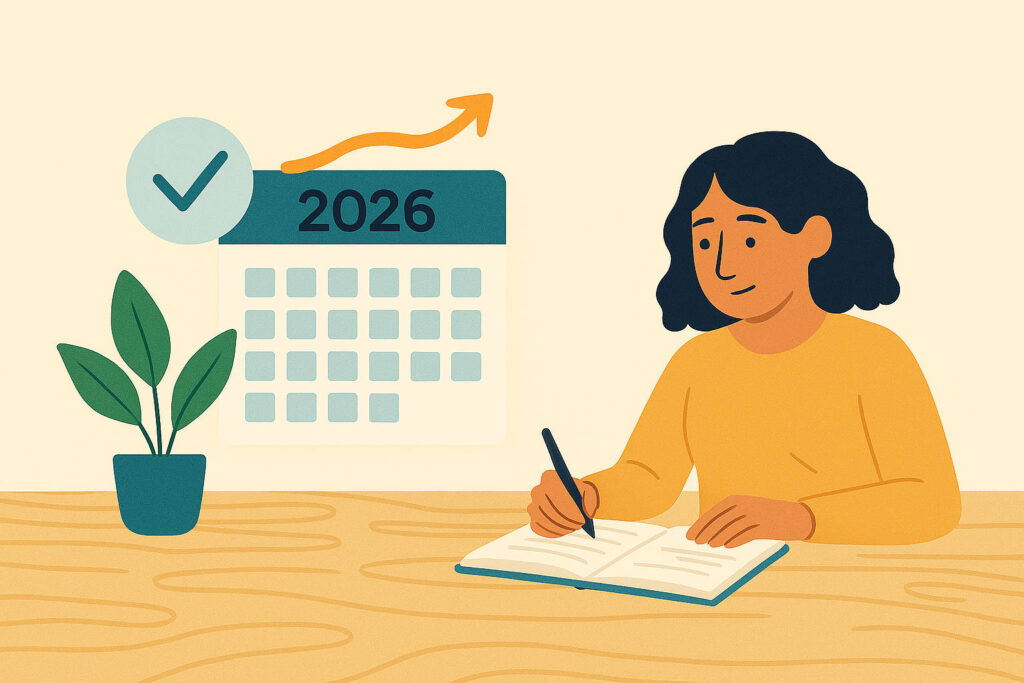
- Create a Vision Board or Journal: Visual or written reminders of your goals help keep motivation strong.
- Involve a Support Buddy or Group: Sharing aims with someone or joining local groups like parkrun UK (which welcomes all abilities) can increase accountability and social connection.
- Celebrate Small Wins: Every positive step is progress—even resting well on a tough day counts.
- Use Mindfulness to Anchor Your Intentions: Pause regularly to reflect on your wellbeing journey compassionately.
Mindfulness Practice for the Week
“What is one small, achievable step I can commit to today toward improving my wellbeing?”
Sit comfortably in a quiet space. Close your eyes and take slow, deep breaths. Visualise yourself completing this step easily and kindly. Notice any feelings or thoughts that come up. Repeat this practice daily to cultivate self-compassion and focus.
Conclusion
Starting a New Year with wellbeing goals that are realistic, inclusive, and supported by UK resources sets a strong foundation for health and happiness in 2026. Embrace your unique journey, recognising all parts of your identity, and allow nature, community, and mindfulness to guide your way. Remember: progress is personal, and every step forward counts.