Introduction
As the UK moves deeper into winter, many people notice shifts in mood, energy, and motivation. The experience — often called the ‘winter blues’ — affects a significant portion of the population and can sometimes be diagnosed clinically as Seasonal Affective Disorder (SAD). The interplay of reduced sunlight, colder weather, and social habits changes during the winter months can impact wellbeing differently across communities, cultures, and individual circumstances. In this post, we explore the nature of SAD, practical approaches to managing it, and how cultural diversity and intersectional factors influence experiences and access to support in the UK.
What Is Seasonal Affective Disorder?
Seasonal Affective Disorder is a type of depression with a seasonal pattern — symptoms generally begin in the autumn or winter and lift during the longer daylight months of spring and summer. Common symptoms include:
- Persistent feelings of sadness or low mood
- Low energy or fatigue
- Increased sleep duration or difficulty waking
- Changes to appetite, often craving carbohydrates
- Difficulty concentrating
- Social withdrawal
SAD primarily occurs in temperate climates like the UK, where winter days may offer as little as six hours of daylight, especially in Scotland and northern England.
Understanding Who Is Affected
SAD can affect anyone, but some groups are more vulnerable to its effects, including:
- People living in northern UK regions: With longer periods of darkness, Scotland, Northern Ireland, and northern England have higher reported cases.
- Women and young adults: Studies show higher prevalence among women and those under 30 years of age.
- People with neurodivergence: Individuals with autism, ADHD, or sensory processing differences can experience changes in sensory sensitivities and routines that compound the effects of reduced daylight.
- Older adults: Due to changes in sleep patterns and health conditions, elderly people may be more susceptible.
- People from diverse cultural backgrounds: Cultural attitudes towards mental health can influence symptom recognition and willingness to seek help.
- Those with existing mental health conditions: For some, SAD can exacerbate underlying depression or anxiety.
Cultural and Socioeconomic Considerations
The UK is home to a richly multicultural population, and it’s important to consider how cultural beliefs, language barriers, and stigma influence awareness and management of SAD.
For example, in some communities, psychological distress tends to be expressed via physical symptoms, leading to underdiagnosis of depression. Others may prioritize community or faith-based coping strategies over formal healthcare.
Socioeconomic factors such as housing conditions (e.g., inadequate heating) and work patterns (shift work or multiple jobs) can limit time outdoors or ability to maintain healthy routines, exacerbating symptoms.
Effective Management and Support for Winter Blues in the UK
Understanding the nature of SAD opens pathways for intervention, both medical and lifestyle based. Here are proven strategies:
- Light Therapy:
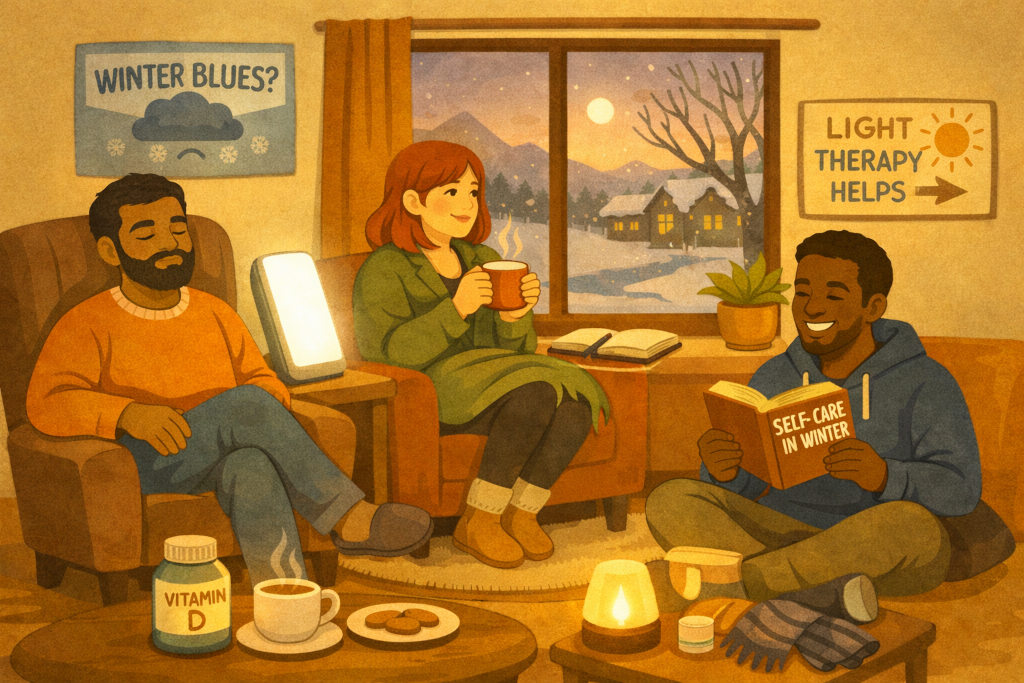
Light therapy boxes mimic natural sunlight and help regulate melatonin and serotonin levels, critical to mood and sleep cycles. UK health services recommend using these for 20–30 minutes daily, ideally in the morning. Some NHS trusts provide access via prescription in priority cases, though many are also available to purchase privately.
Resources: Mind – Light Therapy, British Association for Behavioural and Cognitive Psychotherapies for therapy options.
- Vitamin D Supplementation:
The NHS recommends supplementation during winter months to support mood and bone health, as reduced sunlight exposure can cause deficiency.
- Maintaining Outdoor Time:
Even short walks outside can elevate mood through physical activity and natural light exposure.
UK green spaces such as Richmond Park in London, Pollok Country Park in Glasgow, or local urban gardens offer accessible respite.
- Structured Routine and Sleep Hygiene:
Regular sleep and meal times help regulate internal clocks disrupted by variable daylight. Techniques include limiting screen time before bed and creating calming pre-sleep rituals.
- Social Connection:
Isolation worsens SAD symptoms. Engaging with community groups across cultural or interest lines can foster support and reduce loneliness.
- Culturally Sensitive Mental Health Services:
- Mind offers multilingual resources and group support tailored to diverse communities.
- Samaritans provide free, confidential support 24/7.
- Local charities such as Shine work with minority ethnic communities in England.
- The Scottish Association for Mental Health (SAMH) provides region-specific support.
Advice for Neurodivergent Individuals
Sensory sensitivities can be heightened in darker, quieter environments. Strategies include:
- Using natural light where possible indoors — positioning work or living spaces near windows.
- Employing gentle, predictable routines with visual schedules or digital reminders.
- Requesting workplace accommodations for flexible hours or remote work.
The Role of Outdoor Wellbeing
Incorporating nature into your routine is one of the simplest yet most powerful tools for managing winter blues. Recent studies highlight benefits such as lowered cortisol levels, improved immune function, and enhanced mood from green exercise.
- Find a local park, canal path, or beach to explore daily or weekly.
- Engage in activities like bird-watching, gardening, or mindful walking that resonate culturally and personally.
- Participate in community gardening projects or outdoor arts activities, which build connection and physical engagement.
Mindfulness Exercise
“Step outside and notice the natural world around you: the texture of bark, the sound of leaves, the scent of earth or rain. How do these sensations influence your mood and thoughts?”
Try dedicating 5–10 minutes to a sensory walk, practising deep, slower breathing and observing without judgement.
Summary
Seasonal Affective Disorder and winter blues affect thousands across the UK each year, often intersecting with cultural, socioeconomic, and neurodivergent factors. By understanding these complexities and utilising holistic strategies — including light therapy, vitamin D supplementation, routine, social connection, and outdoor engagement — individuals can better manage symptoms and foster wellbeing through winter’s challenges.
If you feel overwhelmed or your mood worsens significantly, please seek advice from your GP or a trusted health professional — early support is key.