
What is mental health stigma?
You might have heard the term ‘stigma’ before but what does it mean and why are people campaigning so heavily to get rid of it?
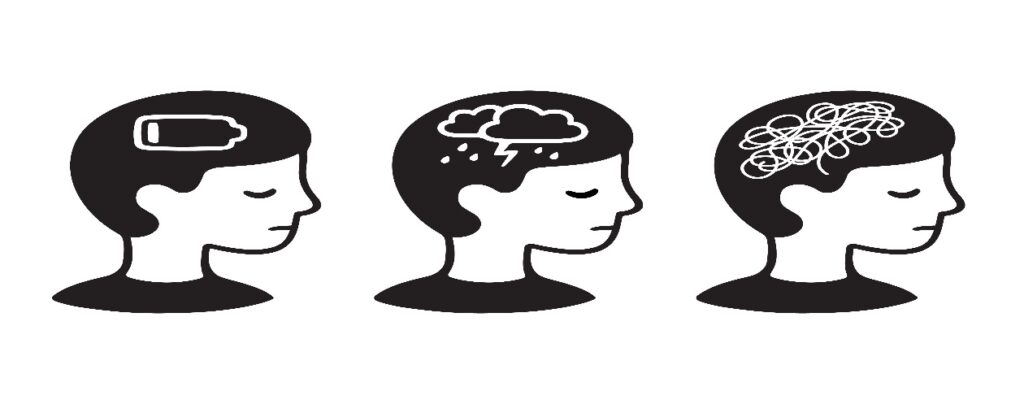
Put simply, mental health stigma is a negative belief or assumption about mental health in general or someone experiencing issues with their mental health.
There are 2 types of stigmas:
- Social stigma – This is stigma that comes from others and might be widely believed in society Things like ‘People with depression are lazy’ or ‘Suicide is selfish’.
- Self-Stigma – These are beliefs a person has about themselves ‘I’m beyond help’, ‘I just need to man up’.
What can we do to reduce the stigma?
The more we speak openly about mental health the more we challenge the negative beliefs and misunderstandings. A manager or exec speaking openly about their mental health shows that it’s OK to talk about it openly.
Challenge assumptions and incorrect beliefs. For example, something I hear fairly often is ‘Anxiety is the new fashionable health condition’ when in reality anxiety is a serious medical condition that can be crippling to a person’s quality of life.
On that note, might someone claim to have a mental health condition when they don’t? Of course, it can happen, like any other health condition but that doesn’t mean we discount the whole thing and we’re not qualified to make that call.
4 common mental health myths and why they’re wrong.
1. ‘Everyone gets depressed at some point’
2. ‘It isn’t the responsibility of work’
Stigma can be as damaging as the illness itself and in many cases can make things much worse.
3. ‘Mental illness is a sign of weakness’
You could compare conditions like depression or anxiety to Asthma. It’s a medical condition that can happen to anyone. Also studies have shown links between mental illness and resilience, persistence and creativity.
4. ‘We shouldn’t talk about mental health’
Speaking openly about mental health, whether our own or generally encourages others to open up and ask for help if they need it. It’s also proven to create a happier and healthier workplace. There is no evidence to suggest it can make things worse or increase the risk of suicidal thoughts.
Weekly Wellbeing Tip
Creating a task list of 3-5 simple tasks every day and then striving to check them off not only encourages us to get things done but gives a boost to our mood and sense of achievement.
