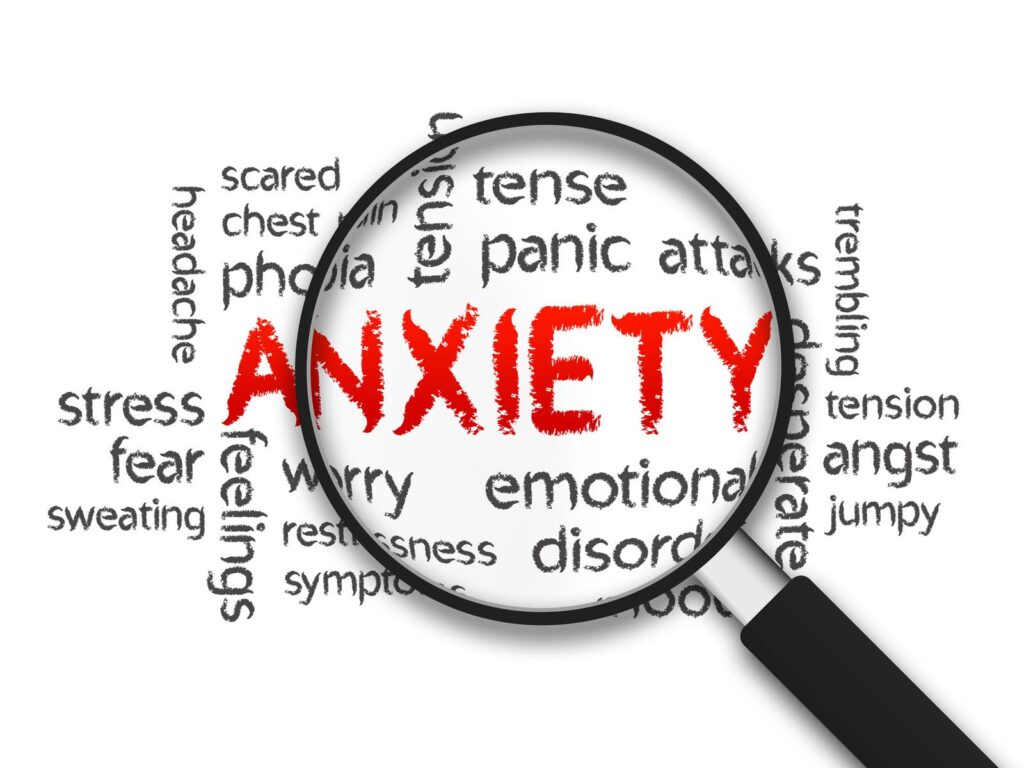
Today, we’re exploring a topic that affects a significant portion of our community: anxiety. By understanding it better, we can support ourselves and others more effectively.
Anxiety in the UK
Recent studies reveal that anxiety disorders are among the most common mental health conditions in the UK, affecting millions of people. These numbers highlight the need for increased awareness and support.
Anxiety: Normal Emotion or Condition?
Anxiety, in its basic form, is a normal and essential bodily function. It’s our body’s way of alerting us to danger and preparing us to deal with it. But what’s the difference between feeling anxious and an anxiety condition?
Feeling Anxious
It’s natural to feel anxious before a big event or during a stressful period. This type of anxiety is usually short-lived and directly related to a specific situation.
Anxiety Conditions
When anxiety becomes constant, overwhelming, and not necessarily tied to specific situations, it may be a sign of an anxiety disorder. This can include generalised anxiety disorder (GAD), panic disorders, and various phobias.
When It Oversteps
Problems arise when this mechanism goes into overdrive, leading to persistent worry, physical symptoms, and impacting daily life.
Small, simple steps can create big changes.
6 Tips for Supporting Someone with Anxiety
Just listen: Provide a safe space for them to share their feelings. Sometimes, just being heard can be incredibly soothing.
Avoid Dismissing Their Feelings: Even if their worries seem irrational, remember that the anxiety is very real to them.
Encourage Small Steps: Help them set small, achievable goals. Overcoming tiny hurdles can build confidence.
Promote Self-Care: Encourage activities that promote relaxation and well-being, like exercise, a balanced diet, and sufficient sleep.
Learn About Anxiety: Understanding what they’re going through can help you provide better support.
Encourage Professional Help: Suggest speaking with a charity or healthcare professional for guidance and support.
WRITE IT DOWN
One of the best ways to manage anxiety is to write down the thoughts, worries or beliefs you are having and then assess whether there is any evidence to back them up versus evidence that it’s not true. Anxious thoughts tend to swirl around like a tornado, but when we write them down, they become clearer and less overwhelming.