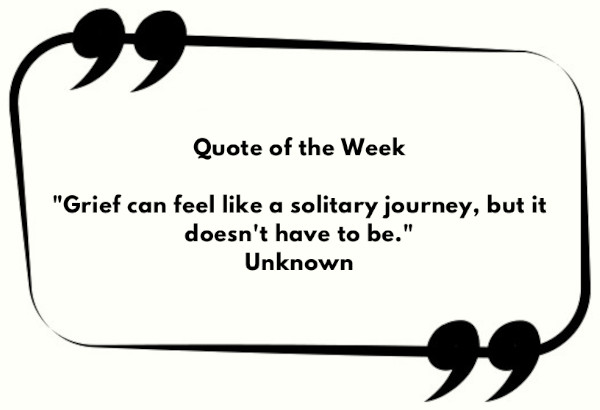
In the midst of life’s ever-changing seasons, the chill of bereavement can touch us all. Losing a loved one is a profound experience, often leaving us in a landscape of grief that feels both vast and intensely personal. In this newsletter, let’s explore how we can navigate these tough times – for ourselves and for those around us.
Self-Care in the Wake of Loss
Firstly, if you’re walking through what feels like a valley of loss, know that your feelings are valid. Crying is not just okay; it’s a natural and healthy expression of grief. It’s a release, a way of processing the depth of your loss. Secondly, please remember that you are not alone; whether it’s friends, family, work colleagues, charities or professional services, there is always someone there to support you. And we often don’t realise what support is available until we ask.
Here are a few steps you can take:
Allow Yourself to Grieve: There’s no ‘right way’ to grieve. It’s a personal process, and it’s important to give yourself the space and grace to feel your emotions.
Seek Support: This could be friends, family, charities or professional counsellors. Sometimes, sharing your burden can lighten it.
Remember, It’s a Journey: Healing doesn’t happen overnight. It’s okay to have good days and bad days, and for many this may last months or even years.
It’s OK to feel how you feel
Helping someone who is grieving
Don’t Avoid Them: It might feel awkward, but avoiding them can unintentionally add to their sense of isolation.
Offer Specific Help: Instead of a general ‘let me know if you need anything,’ offer specific assistance. It could be cooking a meal, running errands, or helping with funeral arrangements.
Use Your Diary as a Reminder: Set a reminder to check in with them regularly, especially a few weeks after the loss when support often dwindles.
Avoid Toxic Positivity: It’s important to avoid phrases like “Everything happens for a reason” or “They’re in a better place now.” While well-intentioned, these can invalidate their feelings of loss.
Be Ready to Listen: Sometimes, the best support you can offer is a willing ear. Let them share memories, express feelings, or even sit in silence.
PLANNING AHEAD CAN BE HELPFUL
It’s awful to think about, but if there is a chance that we may lose someone in the near future, writing down a straightforward plan of what would need to happen can be helpful. What would need to happen? Who would need to know? What would you need? It can simplify things and take the guess work out of it at a very confusing time.