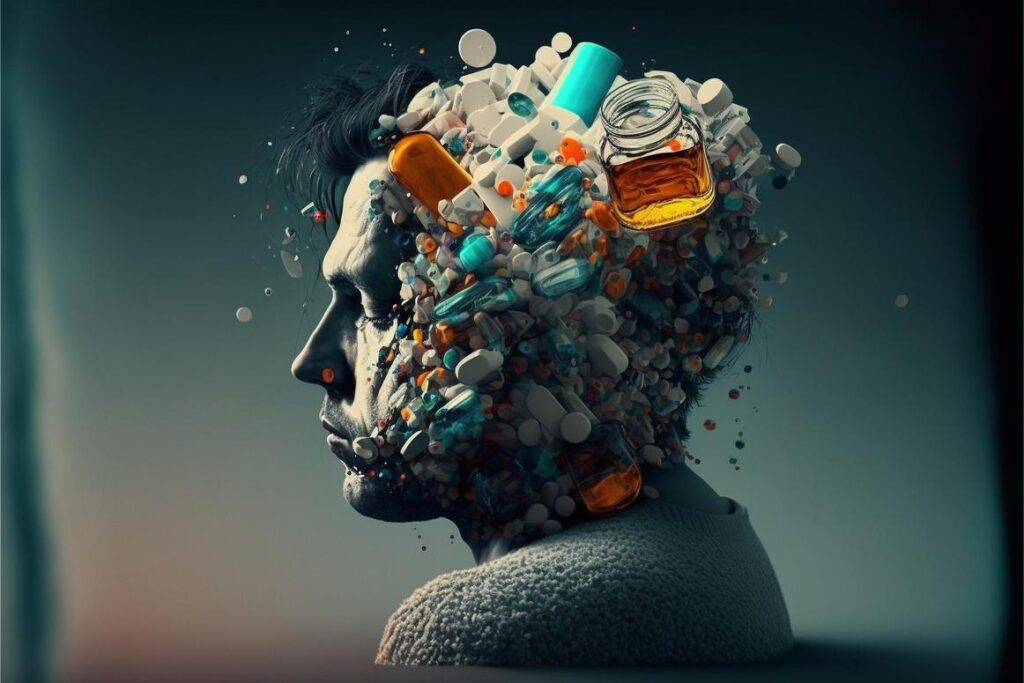
Drugs, both medicinal and recreational, can significantly impact our health and well-being. It’s important to understand the different categories of drugs and how they affect us. Let’s explore the four primary categories of drugs and their effects..
1. Depressants
Depressants are drugs that reduce the stimulation of the central nervous system. They slow down brain function and can alter a person’s level of consciousness. Examples: Alcohol, barbiturates, benzodiazepines
2. Stimulants
Stimulants increase brain activity, resulting in greater alertness, attention, and energy. They accelerate various bodily functions. Examples: Caffeine, nicotine, amphetamines, cocaine
3. Hallucinogens
Hallucinogens alter perception, mood, and various cognitive processes. They cause a person to see, hear, or feel things that are not really there. Examples: LSD, psilocybin (magic mushrooms), PCP
4. Opioids
Opioids are a class of drugs that act on the nervous system to relieve pain. Continual use and abuse can lead to physical dependence and withdrawal symptoms. Examples: Heroin, morphine, oxycodone, fentanyl
Support, not shame
Supporting someone you’re worried about
Approach with Empathy and Understanding: Start a conversation from a place of concern and care, rather than judgement or anger.
Educate Yourself: Learn about the specific drugs involved and the challenges of addiction. This knowledge can be invaluable in providing effective support.
Encourage Professional Help: Gently suggest the benefits of professional help such as counselling, rehabilitation programs, or medical treatment.
Offer Practical Support: This can range from accompanying them to appointments, helping them manage daily tasks, or just being there to listen.
Set Boundaries: While supporting someone, it’s important to set healthy boundaries for yourself. This helps in maintaining your well-being while providing support.
Avoid Enabling Behaviour: Be mindful not to enable their drug use inadvertently. This includes not covering up for their behaviours or providing financial support for drugs.
BE THE LIGHTHOUSE, NOT THE TUGBOAT
Having someone in your life who has a substance abuse issue can be tough. It can feel tempting to want to force them somehow to get support. But forcing them will likely make it worse if they don’t want to. Instead, highlight the benefits of recovery, what support is available, and the benefits of those options, and allow them to act when ready. We can’t force free will.