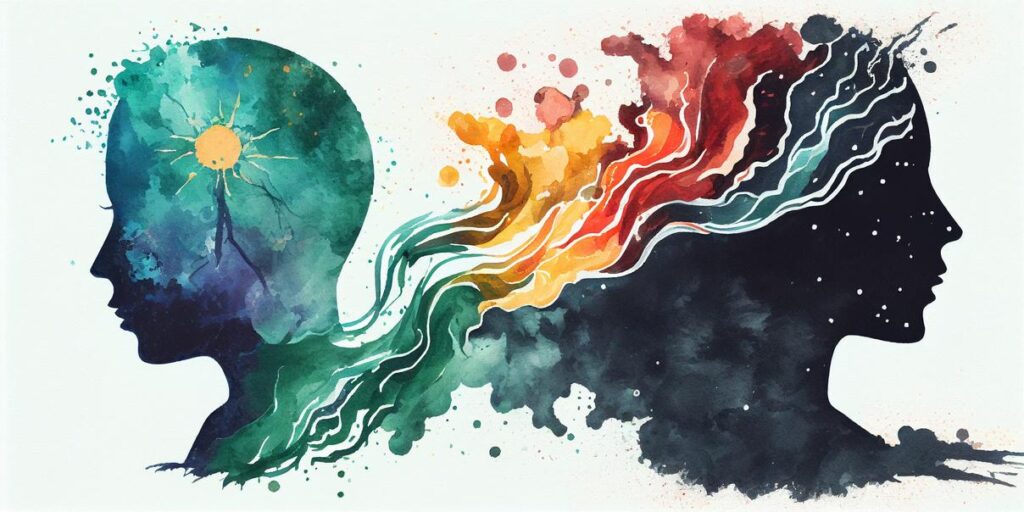
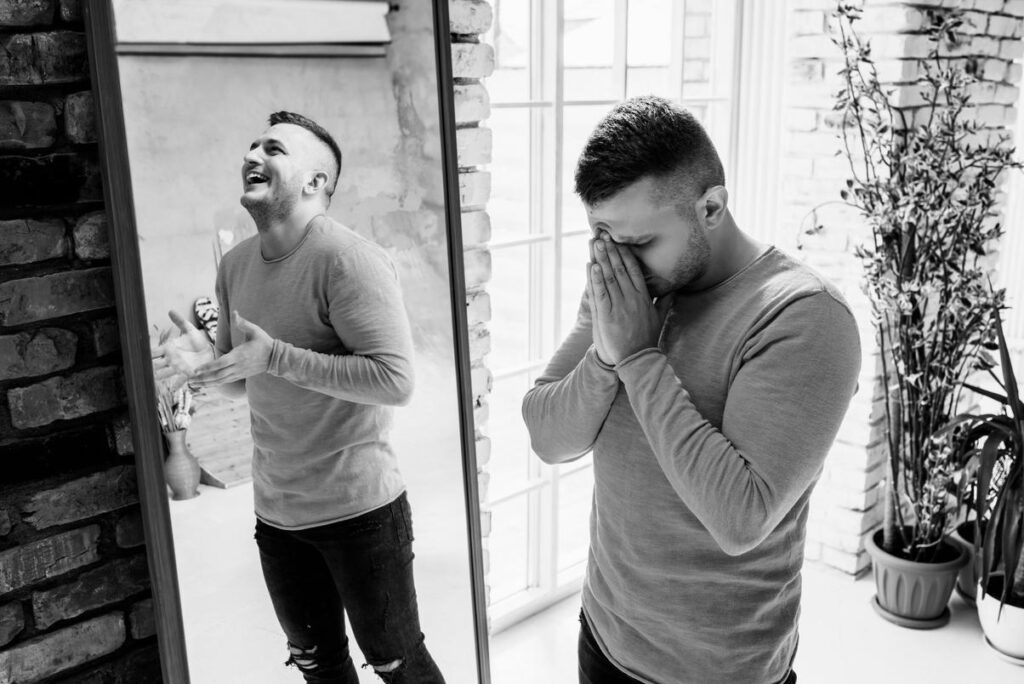
Bipolar Disorder (formally known as manic depression) is a mental health condition that causes extreme mood swings that include emotional highs (mania or hypomania) and lows (depression). These mood swings can affect sleep, energy, activity, judgement, behaviour, and the ability to think clearly.
The Two Faces of Bipolar Disorder
Manic Phase: During a manic phase, individuals may feel very up, confident, elated, or energised. They may have increased activity levels, feel less need for sleep, or be unusually talkative.
Depressive Phase: This phase includes periods where the individual may feel very low, down, or hopeless. There’s often a loss of interest in activities they once enjoyed.
Challenges and Misconceptions
Myth: It’s Just Moodiness: Bipolar Disorder is more than just mood swings. It’s a serious mental health condition that requires proper diagnosis and treatment.
Impact on Daily Life: The extreme mood swings can affect job performance, school activities, relationships, and daily functioning.
Co-occurring Conditions: It’s not uncommon for individuals with Bipolar Disorder to have additional mental health conditions like anxiety disorders, ADHD, or substance use disorders.
The ups and downs of Bipolar
Supporting someone with Bipolar
Educate Yourself: Understanding the condition is the first step in offering support and means people might feel more comfortable to be open with you
Be Patient and Understanding: Mood swings can be difficult for both the individual and those around them. Patience and understanding are crucial.
Encourage Treatment: Consistent treatment is key in managing Bipolar Disorder. This may include medication, psychotherapy, and lifestyle changes.
Offer Emotional Support: Be there to listen. Sometimes, just knowing someone is there can be a big help.
Help With Routine: Helping them maintain a regular routine can be beneficial, especially during mood swings.
Recognise Warning Signs: Being aware of the early signs of mood changes can help in managing them more effectively.
MANAGING BIPOLAR EFFECTIVELY
Many people are able to manage their depressive and manic episodes with a combination of therapies, medications and lifestyle changes. They may still have episodes but these things can reduce their frequency, their severity and impact. Many people with Bipolar are able to live very healthy and productive lives.