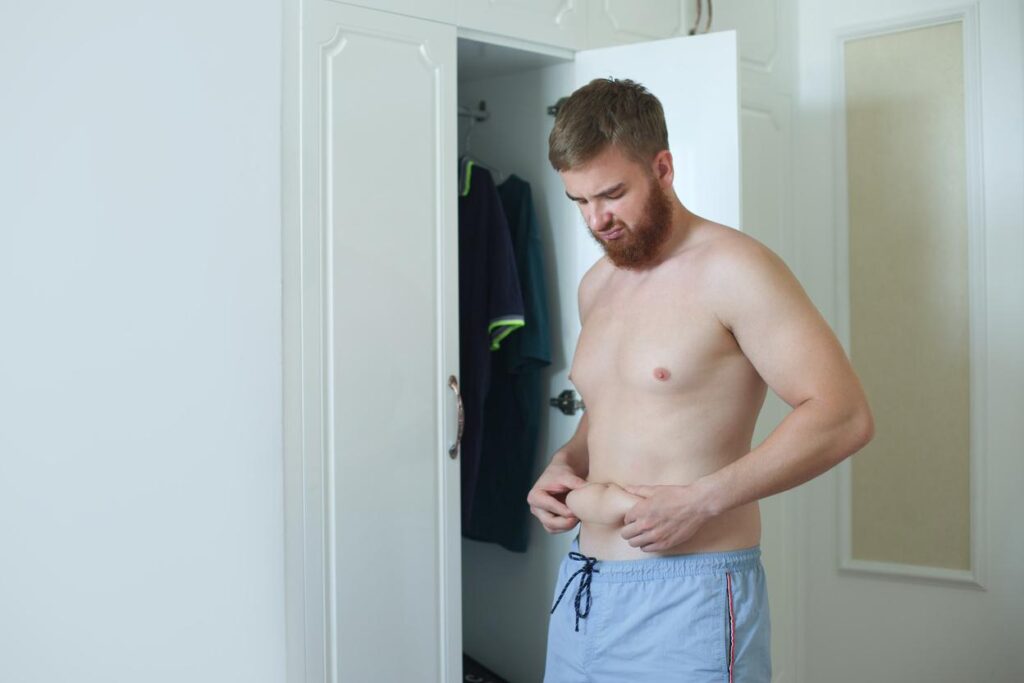
In a world where discussions about body image and dietary habits are omnipresent, it’s crucial to approach the topic of eating disorders with sensitivity and understanding. Eating disorders are complex mental health conditions that can affect anyone, regardless of age, gender, or background, and they are not a choice. Let’s delve into some common types and discuss how we can offer support.
Different Types of Eating Disorders
Anorexia Nervosa: Characterised by restricted eating, an intense fear of gaining weight, and a distorted body image. Individuals with anorexia often see themselves as overweight, even if they are dangerously underweight.
Bulimia Nervosa: This involves periods of binge eating followed by purging (e.g., vomiting, using laxatives) to compensate for the overeating. This cycle of binging and purging can cause severe physical and emotional distress.
Binge Eating Disorder: Similar to bulimia, this disorder involves frequent episodes of binge eating but without the purging. Individuals may eat large amounts of food quickly, often feeling a loss of control during the binge and very low or guilty afterwards.
Other Specified Feeding or Eating Disorder (OSFED): This category includes eating disorders that don’t fit the exact criteria for anorexia, bulimia, or binge eating disorder but are equally serious.
Think support, not solutions
Offering Sensitive SupportSet
Avoid Judgment: Be empathetic and non-judgemental. Avoid making comments about their appearance or eating habits.
Listen and Validate: Create a safe space for them to share their feelings. It’s essential to listen and validate their experiences without trying to fix them.
Encourage Professional Help: Gently offer to help them find resources or accompany them to appointments if they’re comfortable.
Educate Yourself: Learn about eating disorders to better understand what they might be going through.
Be Patient: Recovery is a journey that takes time. Be patient and offer your consistent support.
Take Care of Yourself: Supporting someone with an eating disorder can be emotionally taxing. Ensure you’re also taking care of your mental health.
SUPPORT IS OUT THERE
If you or someone you know is struggling with an eating disorder, support is available. Organizations like BEAT (the UK’s eating disorder charity) or MIND offer invaluable resources and anonymous helplines.