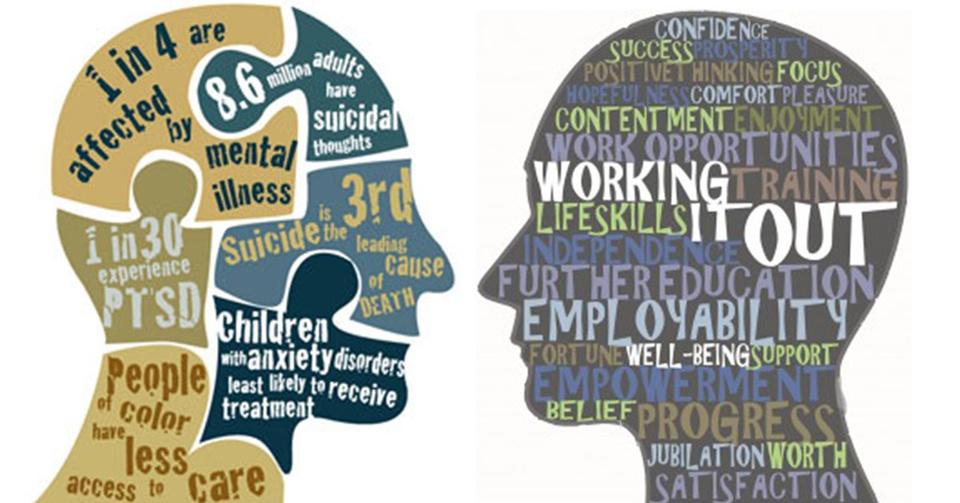
Mental health first aid (MHFA) is the help provided to a person in some emotional distress, developing a mental health issue or experiencing a mental health crisis. The idea is to provide initial support to a person until either the person either is able to access professional support or they simply feel better about the situation they’re in. It’s akin to physical first aid – an immediate response to a health issue, but in this case, the focus is on mental well-being.
Why is a Mental Health First Aider Important?
Early Intervention: Mental Health First Aiders can identify early signs of mental health issues, enabling quicker access to support, which can be crucial for recovery.
De-stigmatizing Mental Health: They play a crucial role in breaking down mental health stigma, encouraging open conversations, and promoting a culture of understanding and empathy.
Creating a Supportive Environment: By being present in workplaces, schools, and communities, they create an environment where individuals feel safe todiscuss their mental health challenges.
Crisis Management: In times of crisis, a Mental Health First Aider can provide immediate support, which can be life-saving.
Resource Navigation: They can guide individuals to appropriate professional help, making the journey towards recovery less daunting.
The best conversation you might ever have
Common misconceptions about MHFA
They’re Not Therapists: It’s a common misconception that MHFAiders are quasi-therapists. They are not. Their role is to provide initial support and bridge the gap to professional services.
Not Just for Crisis Situations: While they can assist in crisis situations, their role also encompasses providing early intervention for less immediate issues.
Confidentiality is Key: Some fear that talking to a MHFAider breaches confidentiality. MHFAiders are trained to respect privacy, with safety being the only caveat.
IT’S NOT ABOUT THE OUTCOME
Speaking to a mental health first aider doesn’t need to be about solutions or outcomes. Sometimes, it’s enough just to have a really good, open conversation with a person, feel listened to, understood and validated in how we feel.