
THE WELLNESS WIRE
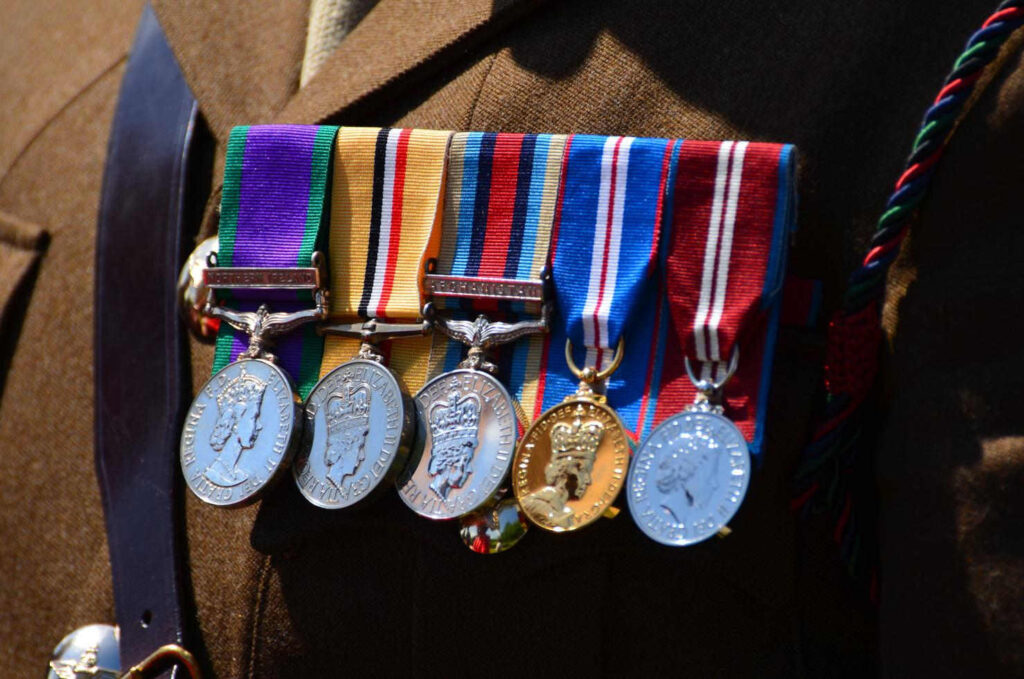
Supporting Our Veterans
When it comes to our veterans, it’s essential to recognise that their journey doesn’t end once they hand in their uniform. Adjusting to civilian life can be complex, filled with unique challenges and opportunities. In this edition, we delve into the well-being of our veterans, exploring how we can support their physical, emotional, and mental health.
Understanding the Transition
For many veterans, the shift from military to civilian life is more than a career change. It’s a complete lifestyle transformation involving adjustments in daily routines, social circles, and, often, personal identity. Recognising these challenges is the first step in offering meaningful support.
Physical Health: A Foundation for Well-being
Physical Health: A Foundation for Well-being Physical fitness is a big part of life in the military, and to many veterans, their physical health is a part of their identity and pride. Creating opportunities to exercise and get out and about is important. Whether that’s a run, in the gym or even a walk outside.
Emotional Wellness: Building a Supportive Community
It’s crucial for veterans to have a supportive network. Encourage open conversations about experiences and emotions. Local community centres and veterans’ groups offer great opportunities for socialising and sharing stories. Listening and empathy go a long way in fostering a sense of belonging and understanding.
Tips to support veterans
- Support Reserve Duty: If someone’s still in the reserves after leaving the armed forces, Support them with this. Have policies for extra paid leave when they do reservist stuff.
- Just Ask: Every veteran is different, with their own story and needs. Don’t guess what they need – ask. As a boss or coworker, this can mean a lot. Sometimes, it’s the small things, like understanding tough dates for them.
- Don’t Drill Them: Veterans can have some interesting experiences. But don’t bombard them with intense questions. Asking things like “Did you kill someone?” or “What’s the worst thing you saw?” is generally a bad idea unless they say it’s OK.
- Share Useful Info: Make sure vets know where to find useful resources. Include information on the Career Transition Partnership, Veterans Welfare Service, and Combat Stress on your company’s intranet. Make it easy for them to get help.
MILITARY SLANG
- ‘Threaders’ – Angry or fed up.
- ‘Hoofing’ – Excellent or Amazing.
- ‘Gen’ – Genuine or the truth.
- ‘Jack’ – To be selfish.
- ‘Buckshee’– An item going spare or off the record.
- ‘Dit’ – A story, usually exaggerated.
- ‘Redders’ – Meaning too hot or warm.
- ‘Scoff’ – Food.
- ‘Hanging out’ or ‘chins-trapped’ – to be very tired or suffering.