Introduction
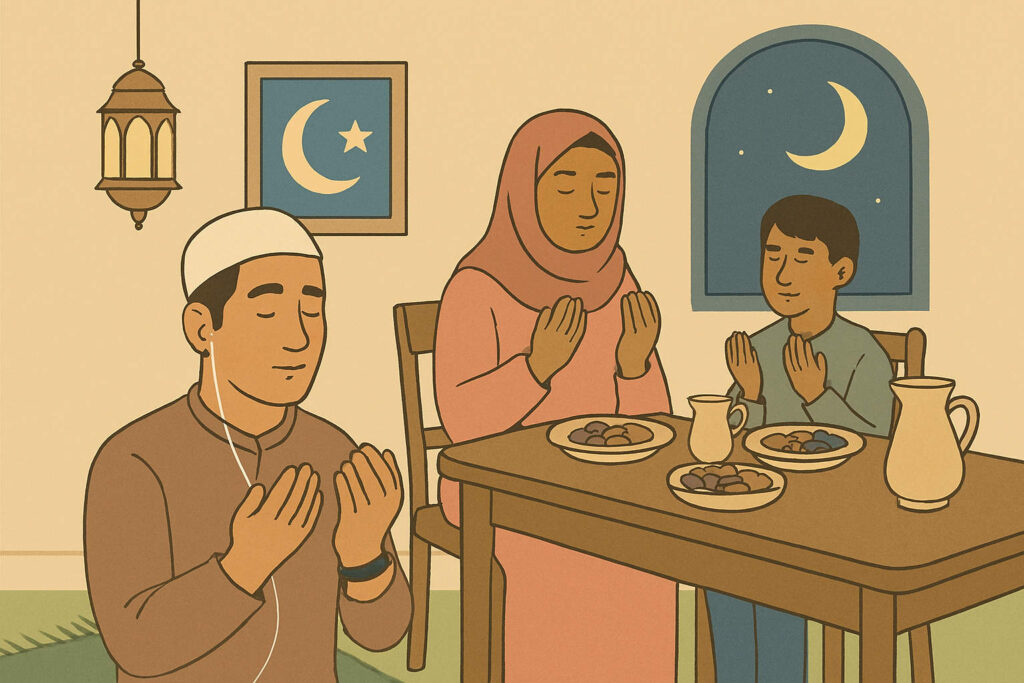
Ramadan is a deeply meaningful period for the UK’s Muslim communities, involving fasting, spiritual reflection, and community solidarity. For individuals of varying ages, health statuses, and backgrounds, including neurodivergent or LGBTQ+ Muslims, maintaining wellbeing during Ramadan requires tailored strategies. This post highlights inclusive approaches to ensure mental and physical health flourish during this holy month.
Physical and Mental Health Considerations
- Changes in eating and sleeping patterns can impact energy and mood.
- Managing chronic health conditions requires adaptations, supported by NHS guidance.
- Spiritual practices provide comfort and community, supporting resilience.
- Recognising diverse experiences within Muslim communities enhances inclusion.
UK Support Services
- Muslim Youth Helpline provides confidential help.
- Imaan UK offers support for LGBTQ+ Muslims.
- Local mosques and cultural centres often host wellbeing workshops.
Encouraging Outdoors Engagement
Evening walks post-Iftar in parks or quiet green spaces, such as Regent’s Park or Alexandra Park (London), combine gentle exercise with social connection and nature’s calm.
Mindfulness Prompt
“Reflect on renewal and gratitude as you engage in your daily practice. How can these intentions sustain you physically and mentally?”