
BURNING OUT
Many of us have heard of burnout but what is it and is it really that serious?
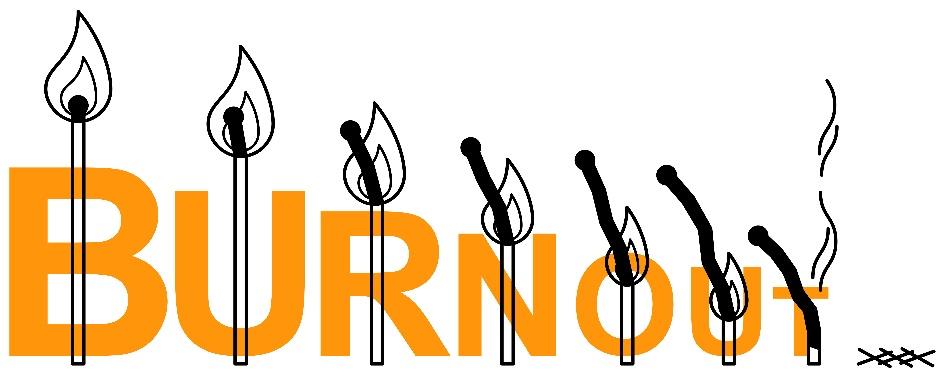
Burnout is effectively stresses bigger, uglier brother and it’s what happens if we don’t listen to our body trying to tell us to slow down a bit.
Try to look at it as your body has a fuel gauge.
When the gauge is at max, we’re eager, ready to go, motivated and can take what life throws at us. But then over time, as life happens, and we face daily challenges our fuel tank starts to drain. Eventually our body tries to tell us that we need to top up by feeling tired, focus becomes more difficult and we’re less motivated.
We all know this point well, it’s when we say “I’m so stressed” or “it’s been such a stressful week” but then often we don’t do anything about it.
If the cause of stress doesn’t go away and we don’t act on it then our fuel gauge will eventually hit empty, and we have nothing left to give. At this point your body takes over and you go into limp home mode, this is burnout.
How do I know if I’m burnt out?
The easiest way to look at this is to compare it to stress.
When we’re stressed, we’re often over-engaged and highly emotional, however with burnout you’re likely to be disengaged and emotionally numb.
Also, with stress you might be feeling tired but have an urgency to find an outcome hanging over you, with burnout you’re completely exhausted and feel helpless or maybe don’t care about the outcome.
Burnout has been linked heart disease, migraines, respiratory conditions, chronic illness, and a higher risk of cancer.

Preventing burnout in work
1. GET TO THE ROOT OF IT
As a workplace, look at what is causing people stress and address it. Conduct stress risk assessment on job roles in the company and address problematic working practices.
The biggest culprits are unnecessary red tape, office politics and poor management (often caused poor management training).
2. ALTERNATIVE DIFFICULT AND EASY
If possible, try to give people a break from high stress jobs or projects by giving them less intensive tasks. This may not always be possible so look at other ways for people to get a break an recharge.
3. TAKE A BREAK
Make sure people can take their breaks and time off. If operational demands means that it isn’t possible at the time, then make sure that this is temporary and short term. In the UK people are legally obligated to have breaks and have time off.
Did you know?
Enmeshment is the term given when a person accepts burnout and carries on regardless. It often masks as high performance but is a higher risk of breakdown.
4. SET CLEAR BOUNDARIES
Ensure people know what their role is, how to do that role and where their role ends. People shouldn’t be expected to work during their off time.
An easy way of accomplishing this is to have a good induction process and ensure managers are trained correctly
5. PLAN, PRIORITISE & COMMUNICATE
Weekly Wellbeing Tip
If you’re overwhelmed, try writing down everything you have on your plate then prioritise them between 1 and 4 in order of importance and urgency.