

What is PTSD?
Post-Traumatic Stress Disorder (PTSD) can be the result of a person experiencing trauma, whether that’s a single event or multiple over a longer period. 1 in 11 adults are diagnosed with it but it’s suspected many more sufferers are never diagnosed.
So, what causes it?
When we experience a normal event, like driving to work, our brain takes that event, processes it and stores it neatly away. If you need to recall your journey then the brain knows it’s a past event and where it’s stored.
However, with trauma the brain doesn’t always know what to do with the event and
doesn’t process it. The event sits there with your brain not knowing whether it’s over or not. Because of this the brain might respond by going to ‘fight or flight’ mode if something happens that reinforces the brains suspicion that the treat is still there. This is what’s known as a PTSD episode.
What are the symptoms?
Symptoms vary person to person, some severe, some mild but they can include:
• Upsetting memories
• Powerful intrusive thoughts
• Numbed emotions
• Feeling on guard or on edge
• Flashbacks
• Irritability
• Forming difficult beliefs
Flashbacks are often vivid memories or a sense such as a smell related to the event, associating a sound with the event or briefly seeing something upsetting that relates to what happened. They are rarely being ‘back in the event’ entirely.
How can I help someone with PTSD?
1. LISTEN, LISTEN, LISTEN
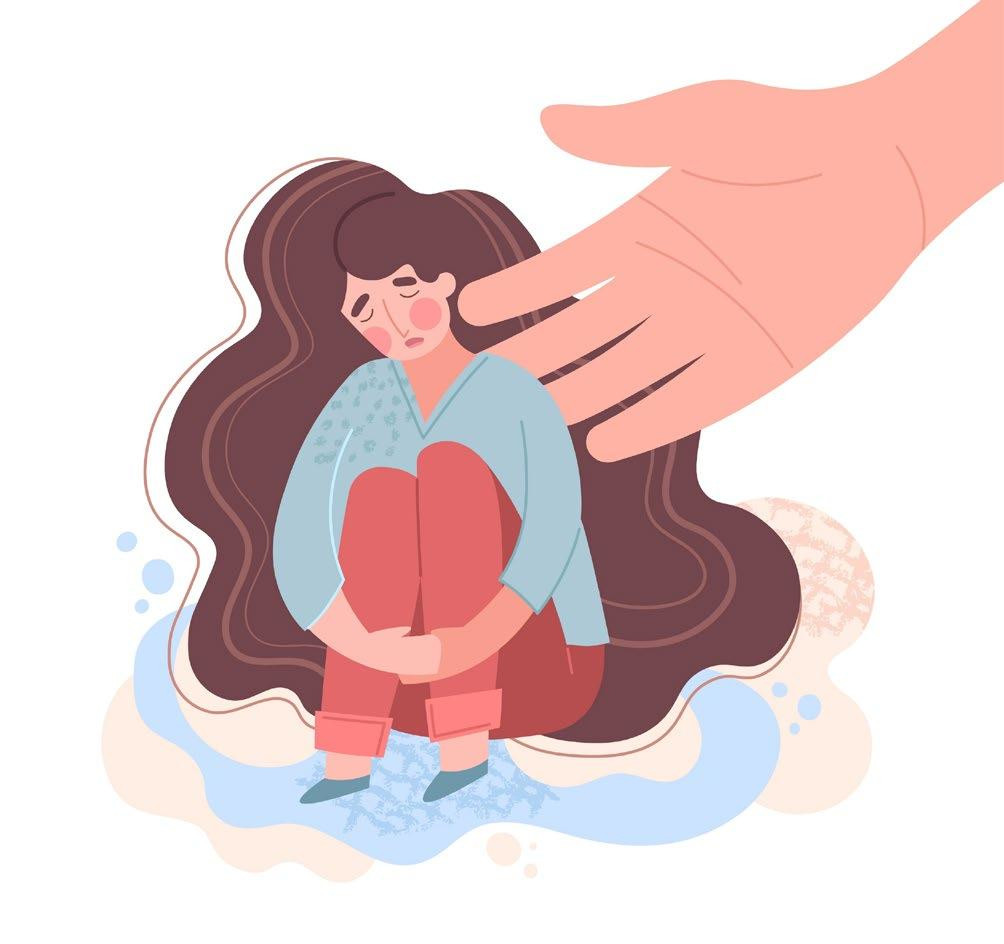
Try to put aside assumptions or judgement and listen with your full attention. Don’t force the person to speak or add more detail if it’s upsetting. They may speak a lot about what happened, this is a normal part of processing.
2. LET GO OF JUDGEMENT
You may not understand why they’re upset or why what happened causes them issues but try to understand that we all respond to things differently and context is vital. Telling them to ‘let it go’ or ‘it’s time to move on’ isn’t helpful.
Never try to hug someone who is having an episode or a panic attack unless they ask for it. It can make them feel trapped and unable to escape which might make things worse.
3. LEARN THE TRIGGERS
Each person has a different experience and the things that cause them issues will vary drastically. If you can learn and understand what they find troubling it can help to reduce it. For example, certain dates, certain noises like alarms or bangs or being in a crowded environment.
4. WHAT HELPS?
People with PTSD have different things that help them. It might be noise
cancelling headphones, lying down somewhere quiet, keeping busy or listening to music. If they’re having an episode or distressed ask them what
has helped in the past and check whether they feel like it’s possible to try whatever that is.
Weekly Wellbeing Tip
At the end of each working week grab a pen and paper and create 3 columns. Weekly wins, lessons from the week and what have you got on next week. This frees your mind up to enjoy your break.