In this edition of our newsletter, we turn our focus to a topic that often comes up in health discussions yet is frequently misunderstood: cholesterol. Cholesterol plays a crucial role in our body, but it can also pose significant health risks if not managed properly. Let’s demystify cholesterol, understand its impact, and discuss ways to manage it effectively for better health.
What is Cholesterol?
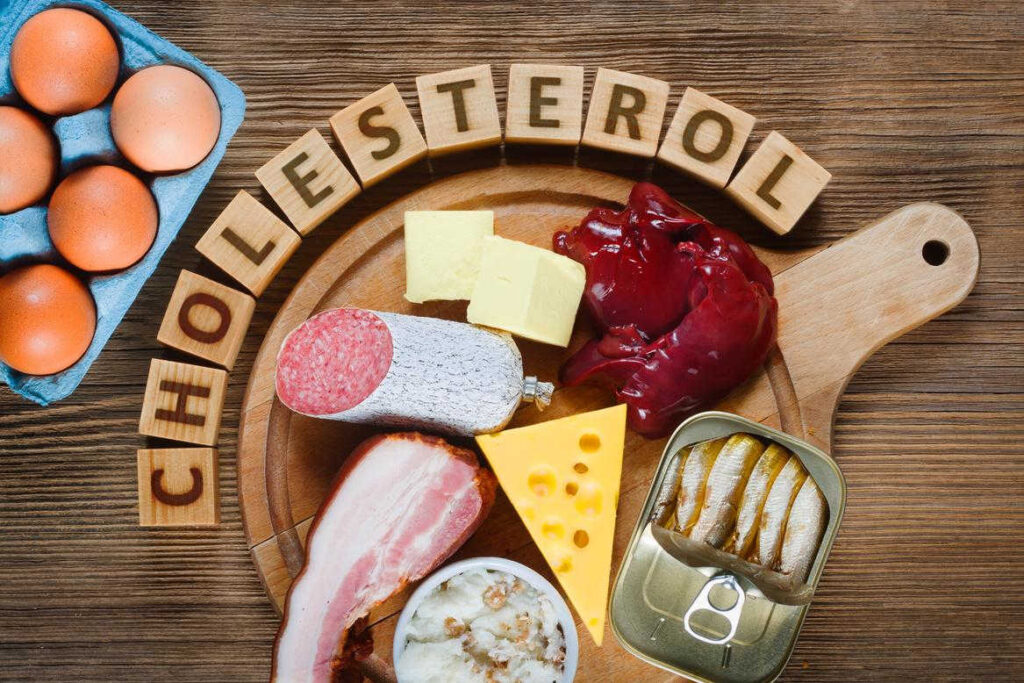
Cholesterol is a waxy, fat-like substance found in all cells of the body. It’s necessary for making hormones, vitamin D, and substances that help digest foods. Our bodies produce all the cholesterol we need, but it is also obtained from animal-based foods.
The Good and the Bad
LDL (Low-Density Lipoprotein): Often referred to as ‘bad’ cholesterol, high levels of LDL can lead to a buildup of cholesterol in your arteries.
HDL (High-Density Lipoprotein): Known as ‘good’ cholesterol, HDL carries cholesterol back to the liver, where it is flushed from the body.
And the Ugly
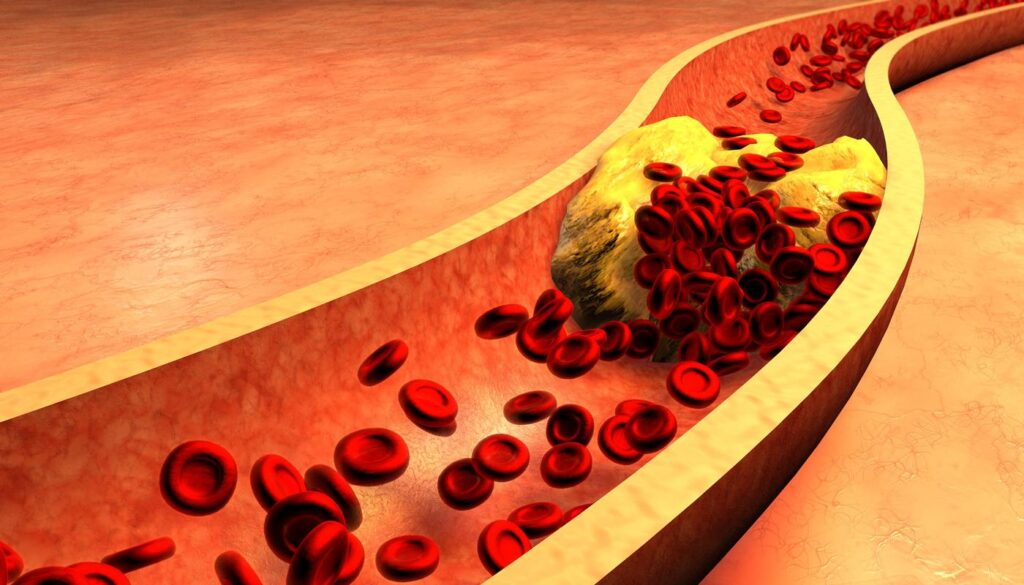
High cholesterol levels can increase your risk of heart disease and stroke. It can lead to atherosclerosis, a condition where the arteries are narrowed due to plaque buildup. This increases the risk of stroke or heart attack.
Small changes, big impact
Managing Cholesterol Levels
Healthy Diet: Eat a diet low in saturated and trans fats. Focus on incorporating fruits, vegetables, whole grains, and lean proteins.
Regular Exercise: Engaging in physical activity can help raise HDL levels and lower LDL levels. Aim for at least 150 minutes of moderate aerobic activity or 75 minutes of vigorous activity each week.
Maintain a Healthy Weight: Losing weight can help lower LDL levels and increase HDL levels.
Quit Smoking: Smoking lowers HDL cholesterol and damages blood vessels, exacerbating the effects of high LDL cholesterol.
Limit Alcohol: Excessive alcohol intake can raise cholesterol levels. Moderation is key.
Regular Health Check-ups: Regular cholesterol screenings can help you know your levels and take action if needed.
GETTING STARTED
Lowering cholesterol can be simple. Make small substitutions in your diet: use oil spread instead of butter, choose skimmed milk over whole milk, opt for lower-fat mince, replace crisps with unsalted nuts, and try reduced-fat cheese. These small adjustments can lead to significant improvements in your body’s health.