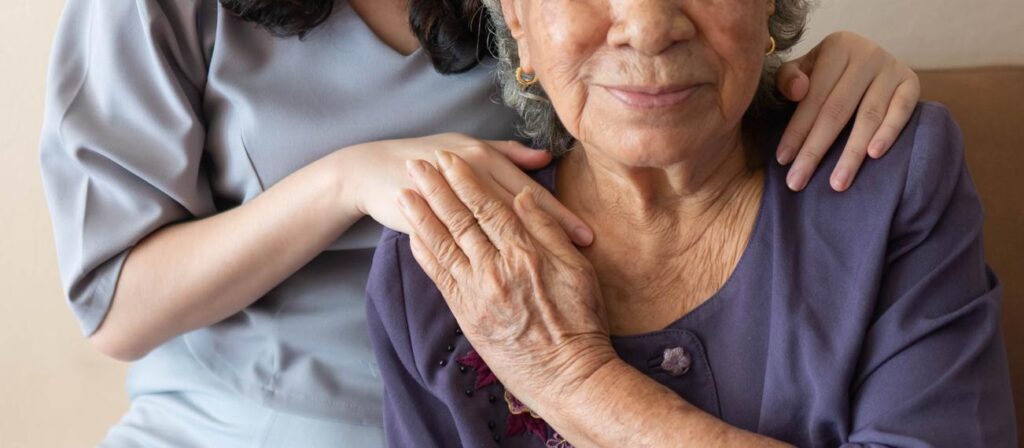
Today, we delve into a critical and sensitive issue that affects many across the UK – domestic abuse. While often hidden behind closed doors, it’s a pervasive problem that we must collectively understand and address.
The Stark Reality of Domestic Abuse in the UK
Recent statistics from the Crime Survey for England and Wales highlight the alarming prevalence of domestic abuse. Approximately 5% of adults aged 16 years and over experienced domestic abuse in the year ending March 2022, equating to an estimated 2.4 million adults. This issue extends beyond gender, affecting both women and men, though women are disproportionately impacted. Notably, about one in five adults aged 16 years and over has experienced domestic abuse since the age of 16 years. There are lots of different forms of domestic Abuse:
Coercive control: A pattern of intimidation, degradation, isolation, and control, often involving physical or sexual violence.
Psychological and/or emotional abuse.
Physical or sexual abuse.
Financial or economic abuse.
Harassment and stalking.
Online or digital abuse.
It’s common for an abuser to utilise multiple different types of abuse or blend the types into one another.
It’s about power & control
How to Support Someone Who May Be Experiencing Abuse
Provide Emotional Support: Listen and believe them. Let them express their feelings and give them time.
Respect Their Autonomy: Remember, the abuser often takes away the victim’s control, so avoid making decisions for them. Offer support and let them know help is available when they’re ready.
Use Supportive Language: Avoid judgemental language. Express understanding and validate their feelings.
Ensure Safety: If you believe they are in immediate danger, call the police. However, be cautious not to escalate the situation, especially if the abuser is unaware of your knowledge.
Offer Practical Help: If they’re open to it, assist them in seeking medical help or reporting the abuse to the police.
IT’S NOT AS EASY AS ‘JUST WALK AWAY’
Leaving an abusive relationship is a courageous act amidst complex circumstances. It challenges the abuser’s control, risking retaliation. This period is often fraught with danger for survivors. Their escape threatens the established power, increasing the risk of harm.