Introduction
British Summer Time (BST) marks the seasonal shift where clocks move forward by one hour, usually in late March, offering longer daylight into the evenings. While this change brings more opportunities to be outdoors and enjoy social activities, it can also disrupt sleep cycles and mood for many people across the UK. This transition can be particularly challenging for those with neurodivergence, mental health conditions, or disrupted routines. In this post, we explore the science behind time changes and offer practical advice to adapt smoothly.
How the Clock Change Impacts Wellbeing
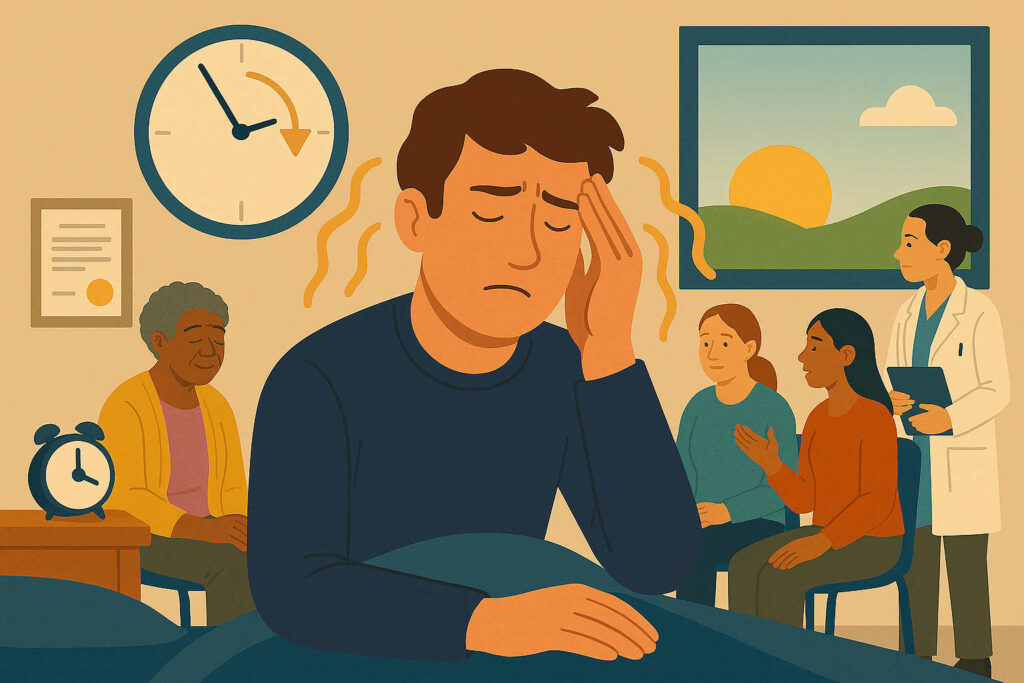
The body’s internal clock, or circadian rhythm, regulates sleep-wake cycles, hormone production, and mood. Suddenly losing an hour of sleep disrupts this rhythm, which can cause:
- Fatigue and lethargy
- Difficulty concentrating
- Mood swings or irritability
- Worsening of depression or anxiety symptoms
This effect may be more pronounced for people with autism or ADHD and older adults.
Practical Tips for Adjusting to BST
- Gradually shift bedtime and wake time 10–15 minutes earlier several days before the change.
- Maintain consistent sleep hygiene: avoid screens before bedtime, create a calm and dark sleeping environment.
- Get exposure to natural morning light, which helps reset biological clocks.
- Keep regular meal times and avoid caffeine late in the day.
- Listen to your body and allow extra rest if needed.
Resources and Support
- Sleep Charity UK offers tailored advice on sleep improvement.
- Mental Health Foundation publishes research connecting sleep and mental health.
- NHS guidance on circadian rhythms and sleep hygiene is also widely accessible.
Use the Outdoors to Your Advantage
BST’s longer daylight hours make spending time outside in the evenings easier. Walks in green spaces, such as Cardiff’s Bute Park or Bristol’s Ashton Court Estate, can boost serotonin production and improve sleep quality.
Mindfulness Exercise
“Take a few moments to notice how the changes in daylight affect your body and mood. What small adjustments can you make to support restful sleep?”
Practice gentle breathing exercises before bedtime to ease transition.