Introduction
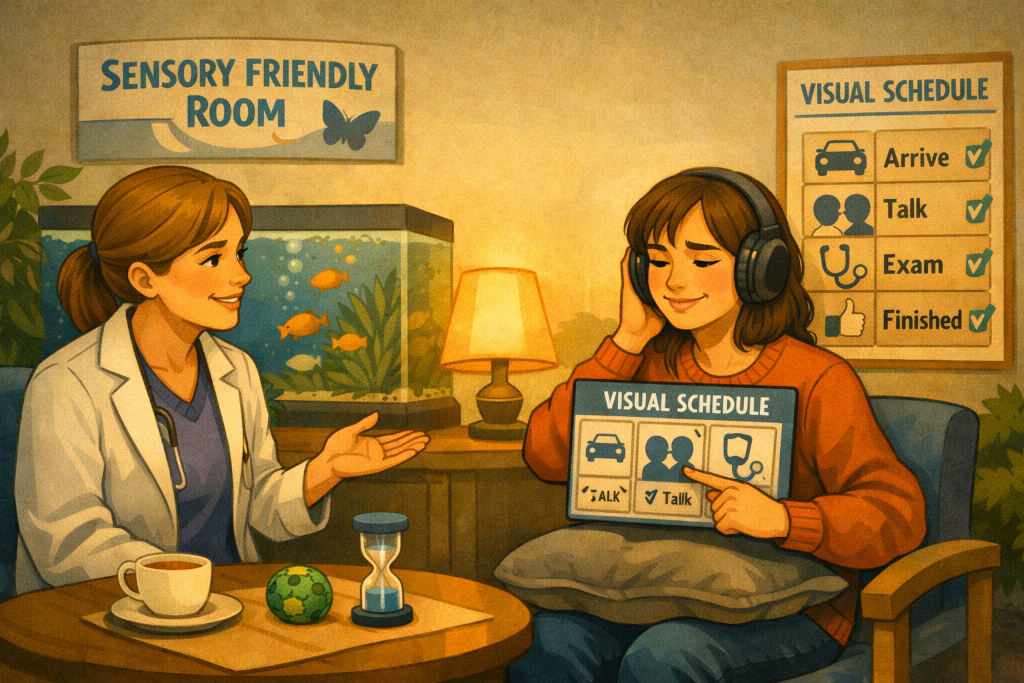
Neurodivergent women—those who are autistic, have sensory processing differences, or related neurodiversity—often encounter challenges within the UK healthcare system. Sensory overload in clinical environments, communication gaps, and lack of tailored support can cause distress and impede effective care. This post highlights strategies to advocate for neurodivergent women’s health needs and explores UK-based resources promoting inclusion.
Challenges Faced in Healthcare
- Bright, noisy, or crowded clinical environments can trigger sensory overwhelm.
- Medical staff may lack training in neurodiversity awareness, leading to misunderstandings or dismissal of symptoms.
- Neurodivergent women are frequently underdiagnosed or misdiagnosed, delaying treatment.
- Intersectional factors such as ethnicity and socioeconomic status can further compound barriers.
Practical Advocacy Tips
- Inform healthcare providers about sensory sensitivities prior to appointments.
- Request reasonable adjustments such as private waiting areas, longer appointment times, or use of written communication.
- Bring a trusted advocate or support person.
- Use tools like pre-appointment forms or communication passports that detail your needs.
UK Support Organisations
- Ambitious About Autism (ambitiousaboutautism.org.uk) provides resources for autistic women.
- Shaping Us (shapingus.org.uk) is a grassroots neurodivergent women’s network offering peer support.
- Women’s Health Concern (womens-health-concern.org) focuses on issues unique to women’s health.
Incorporating Nature for Sensory Wellbeing
Calming sensory experiences such as gentle walks in botanical gardens or quiet green spaces promote regulation following medical visits—for example, the Royal Botanic Gardens in Edinburgh or the Eden Project in Cornwall.
Mindfulness Prompt
“Notice your breath and body sensations now. What helps calm your senses when feeling overwhelmed?”
Practice grounding techniques like focusing on textures, smells, or sounds during outings or daily life.